Why Go and Revise So Often Ends in an Argument
What two decades in classrooms have taught me about why teenagers struggle to start revising and how parents can help
Julian Dance
BLOG
Insights, tips, and resources for parents, teachers, and learners on their educational journey.

What two decades in classrooms have taught me about why teenagers struggle to start revising and how parents can help
Julian Dance

A 658-day Duolingo streak doesn't necessarily make you confident enough to order dinner. A family holiday in Sardinia got Julian thinking about context, confidence, retrieval - and the difference between completing activities and actually learning.

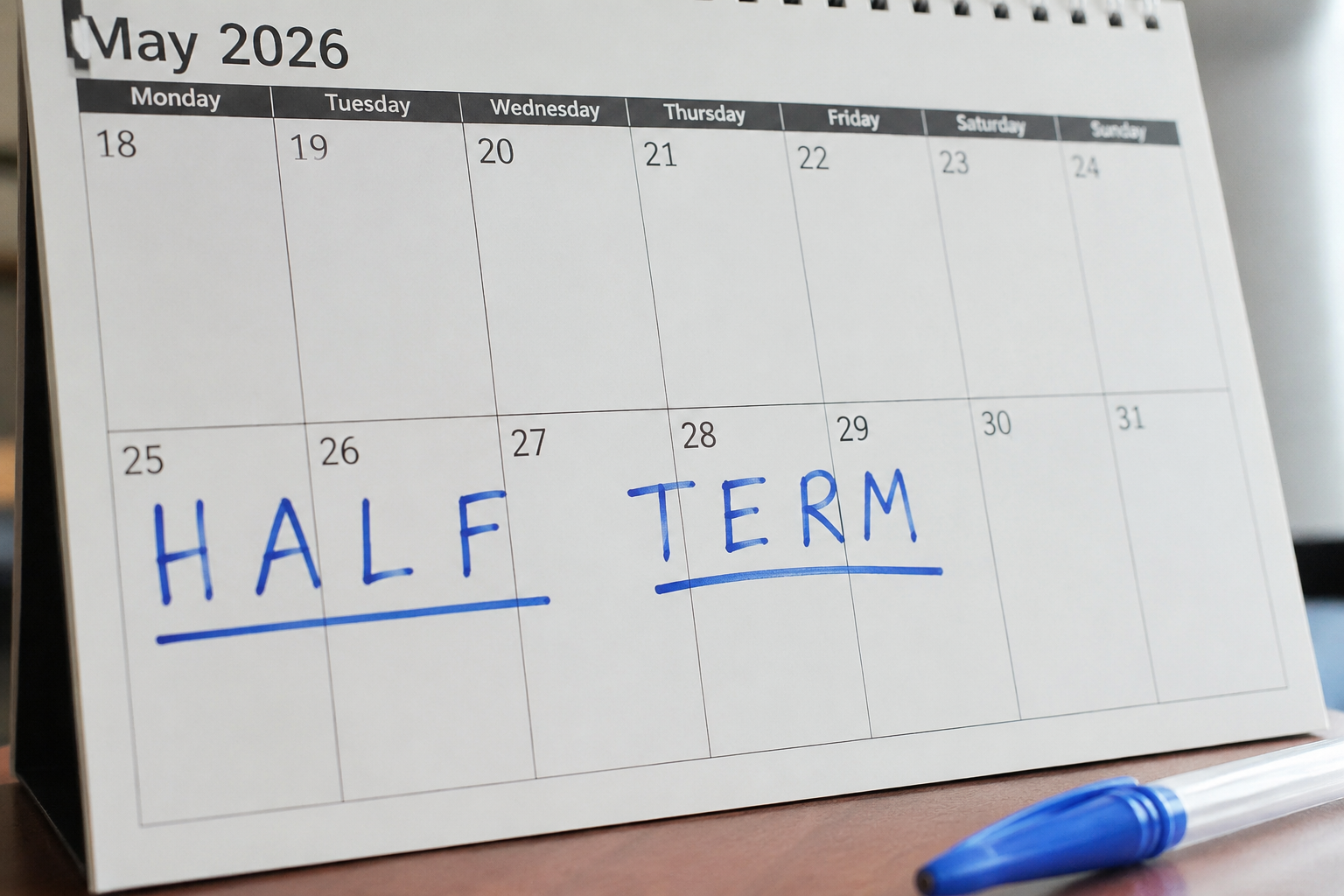
As students head into half term, the instinct is often to cram harder. But cognitive science suggests a different approach works far better. From dual coding and retrieval practice to short bursts of deep thinking and connected knowledge mapping, this guide explores how students can strengthen understanding, memory and confidence in the final weeks before exams - without burning out.

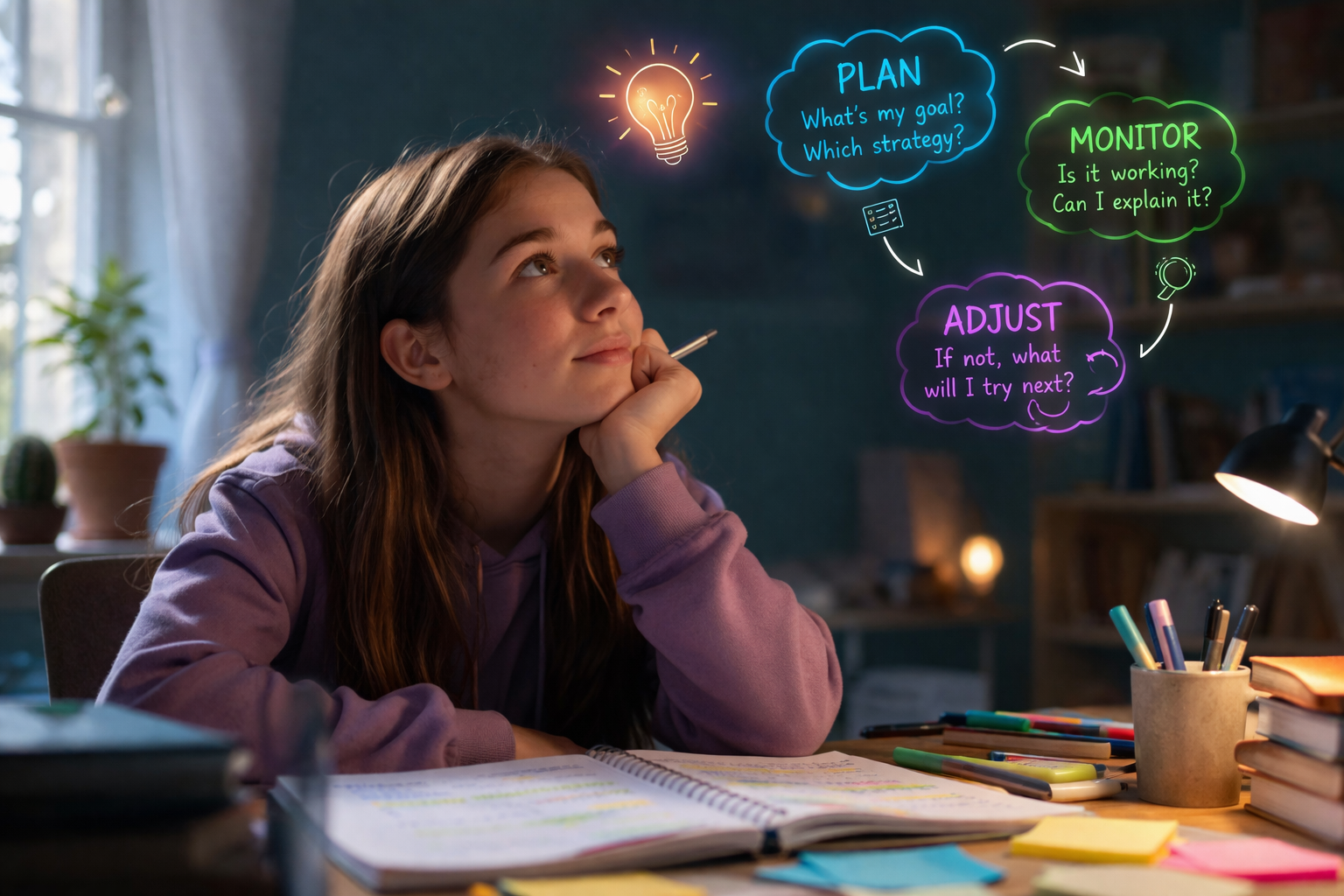
Metacognition helps students plan, monitor and improve their learning. A simple guide for parents to build confidence, independence and real GCSE progress.

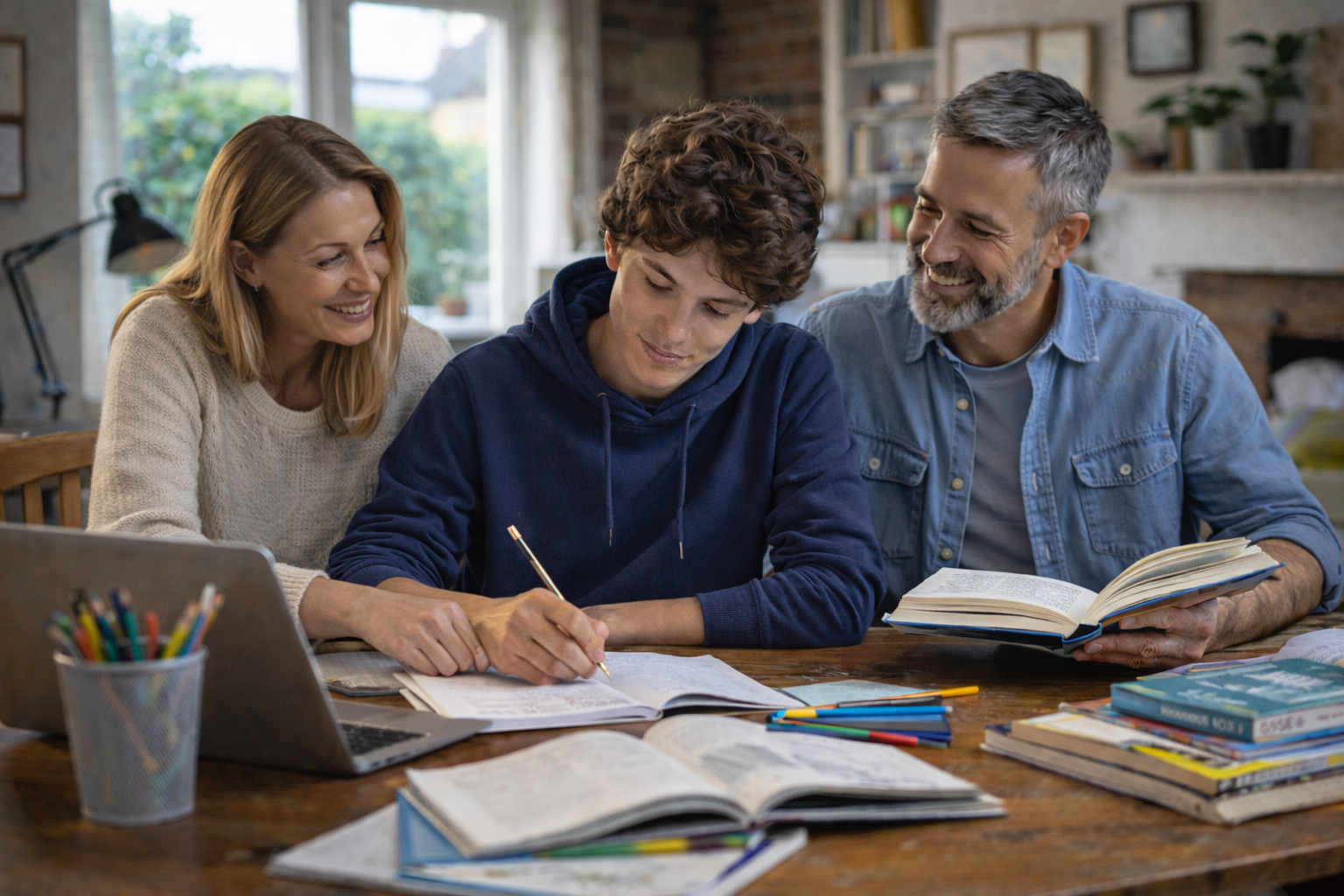
You don’t need to understand algebra or GCSE chemistry to help your teenager succeed. What they need most isn’t subject expertise - it’s structure, consistency, and calm guidance. In this article, Gareth Moores explains how small, sustainable habits at home build long-term academic success.

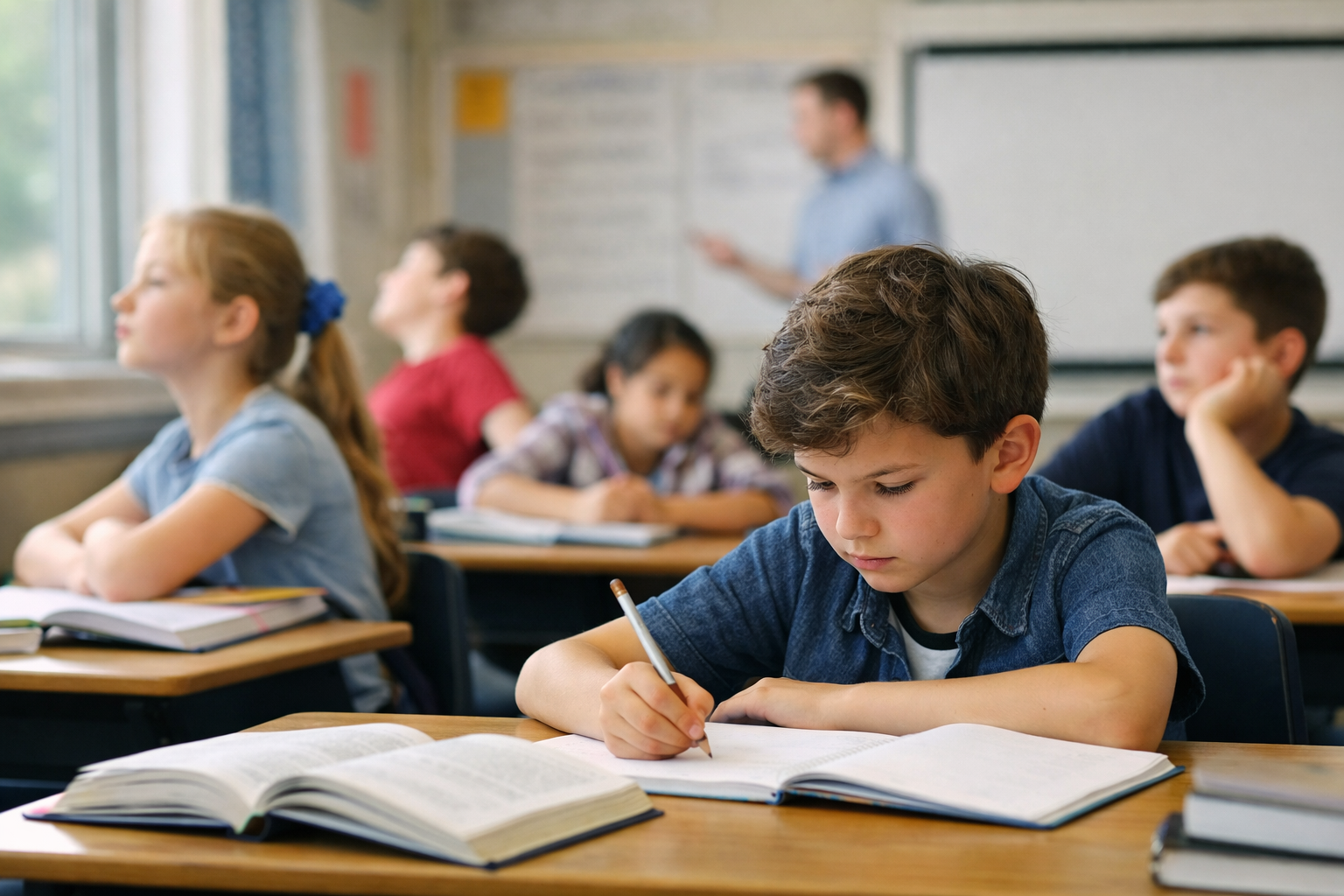
Are pupils really paying attention - or just looking like they are? Drawing on classroom experience and cognitive science, Julian Dance explores why attention is the gateway to memory, how learning overload happens in seconds, and what actually helps knowledge stick.