AI Can Answer a Question, But Can It Teach?
AI can answer questions, but can it teach? Discover why SideCog puts pedagogy, adaptive teaching and lasting learning at the heart of educational AI.
Julian Dance
BLOG
Insights, tips, and resources for parents, teachers, and learners on their educational journey.

AI can answer questions, but can it teach? Discover why SideCog puts pedagogy, adaptive teaching and lasting learning at the heart of educational AI.
Julian Dance

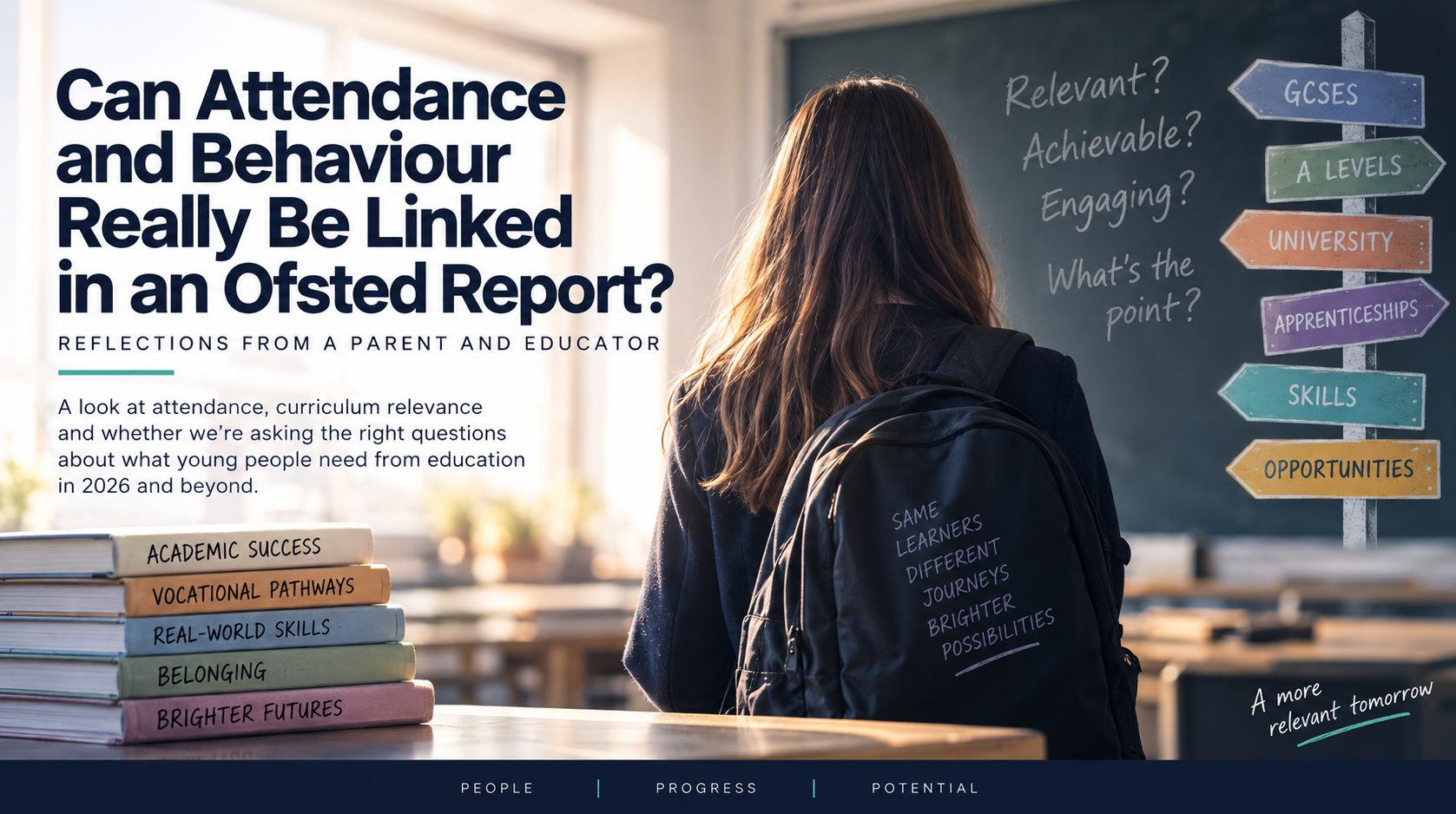
When a school has excellent behaviour but still receives a “Needs Attention” judgement because of attendance, it raises an important question: how much can schools really control? After 20 years in education, Julian Dance reflects on attendance, curriculum relevance and whether we need to look more closely at why some young people disengage from learning.

A 658-day Duolingo streak doesn't necessarily make you confident enough to order dinner. A family holiday in Sardinia got Julian thinking about context, confidence, retrieval - and the difference between completing activities and actually learning.

After twenty years teaching science, Julian Dance reflects on the changing role of teachers, why experienced educators matter more than ever, and why he believes technology should amplify, not replace, great teaching.

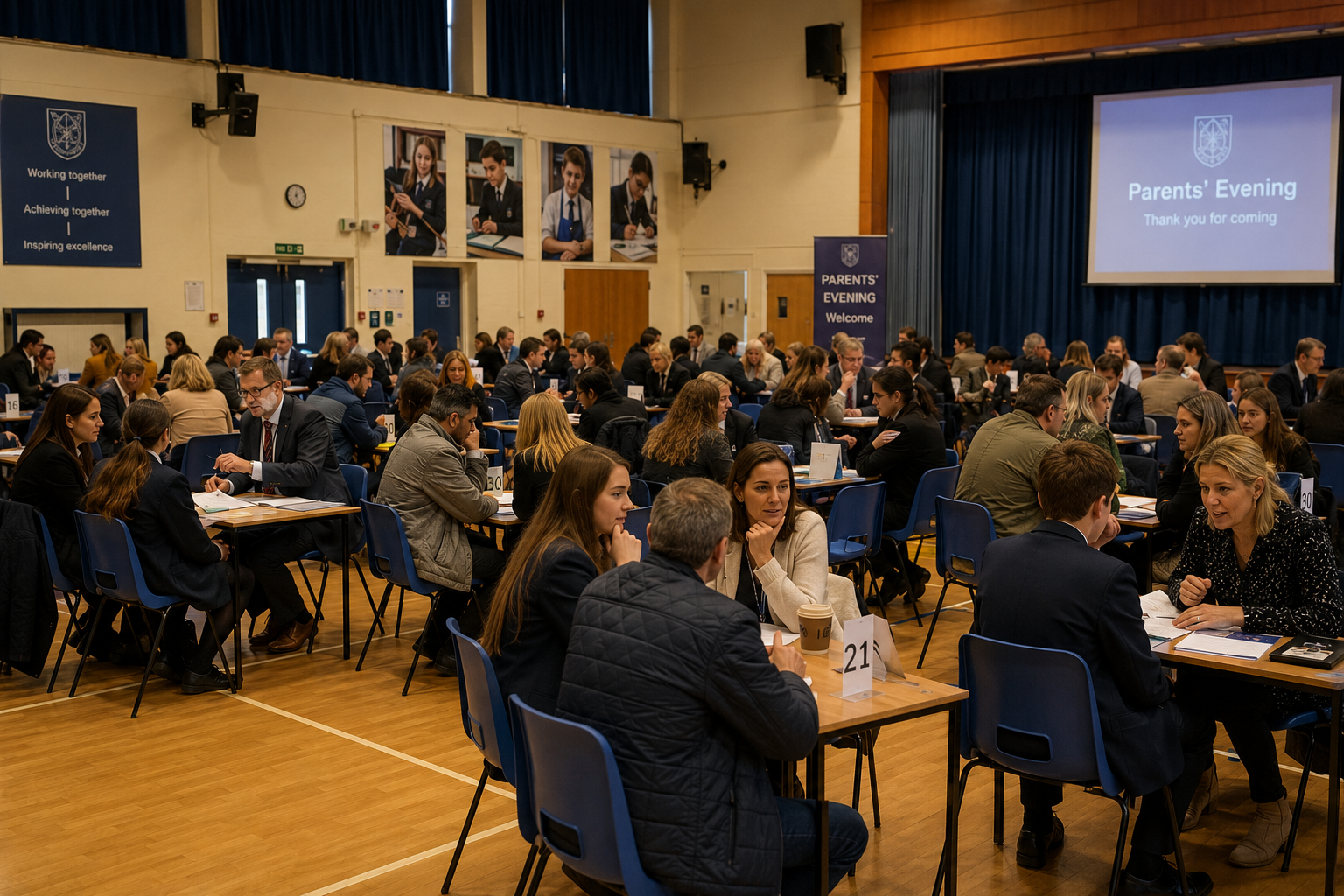
Parents don't really want another grade or school report. They want to understand how their child is learning, where confidence is growing, where misconceptions are developing and what they can do to help. Drawing on twenty years in education, Julian Dance explores why the conversation parents really want has always been much bigger than parents' evening.

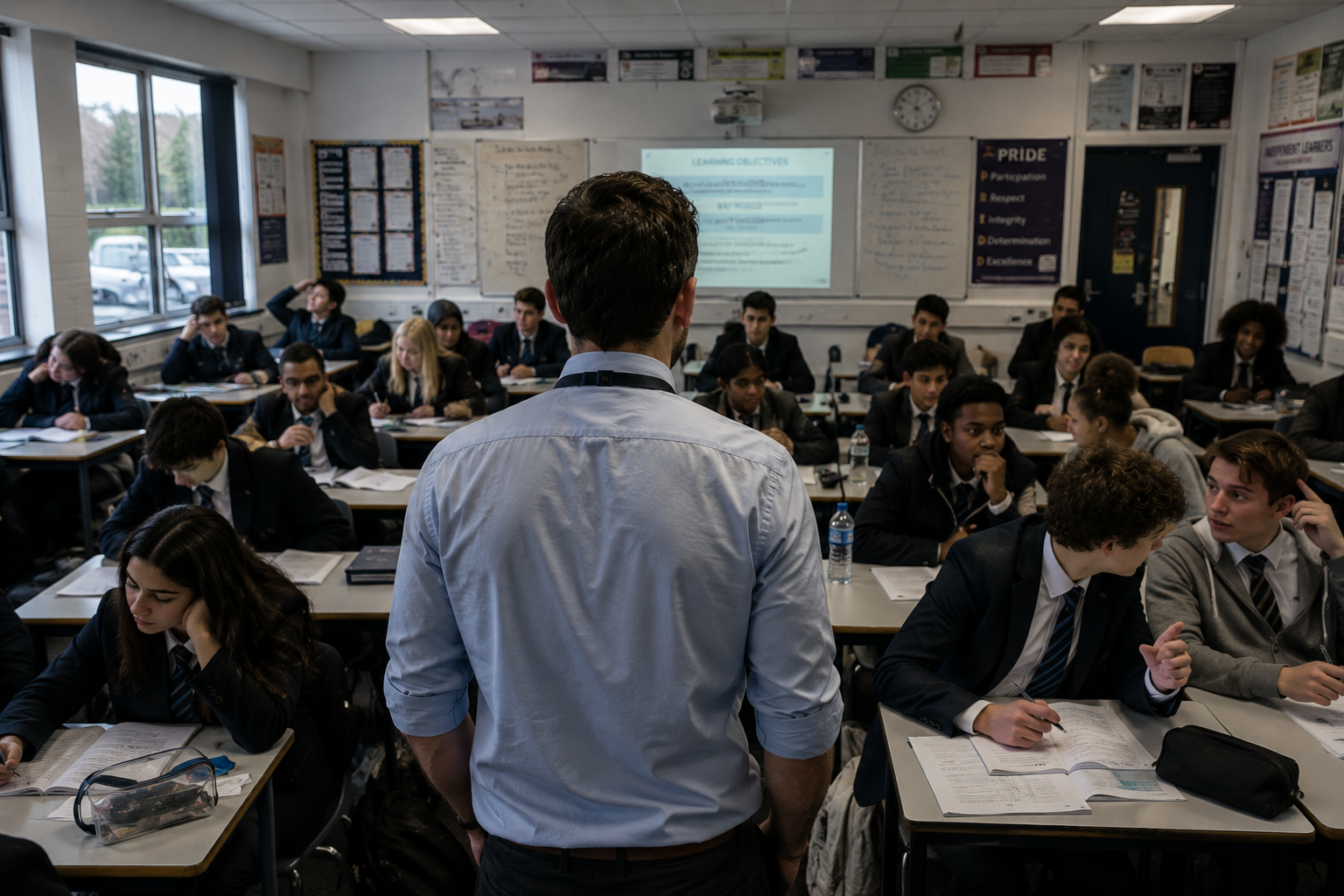
Adaptive teaching has never been about willingness. It's about capacity. Julian reflects on the growing complexity of today's classrooms, the teacher's "fourth sense", and how technology should support, not replace, great teaching.

Britain's recent heatwave has left many of us saying the same thing: "I just can't think." But what if that experience reveals something important about how learning works? In this article, Julian explores the surprising parallels between cognitive performance in extreme temperatures and the challenges students face when misconceptions, knowledge gaps and cognitive overload get in the way of understanding.

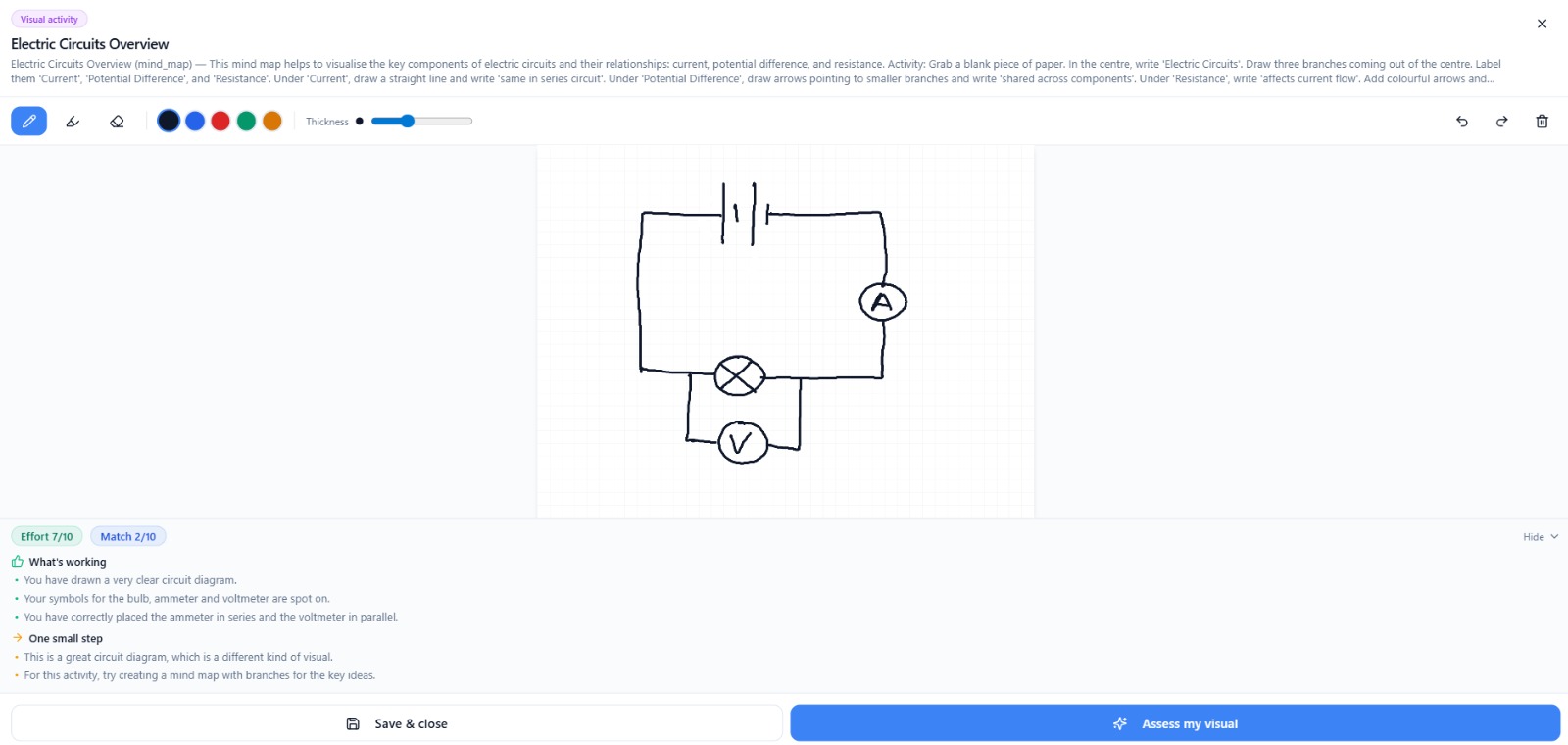
Drawing isn’t just a study technique - it’s a powerful cognitive process. Backed by Dual Coding Theory and the Drawing Effect, sketching helps students encode, organise, and retain knowledge. When combined with instant feedback, it becomes one of the most effective learning strategies available.

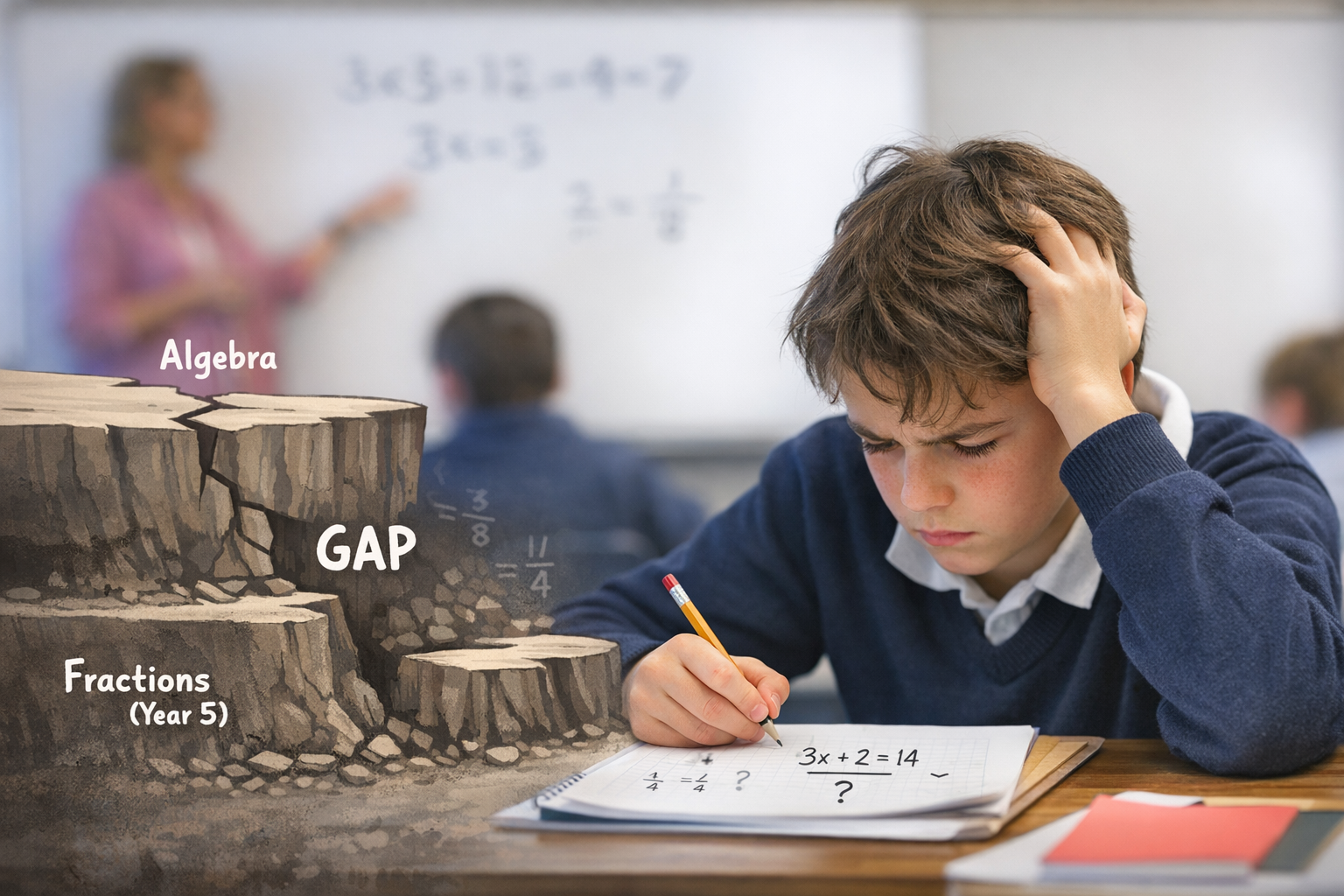
Most edtech platforms test children. SideCog diagnoses how they think. Here is why that difference matters, and how it closes the gaps that compound year after year.

A clear, practical reflection on the book 'Making Every Lesson Count' by Shaun Allison and Andy Tharby, and how challenge, explanation, modelling, practice, feedback and questioning improve science learning.