Why Go and Revise So Often Ends in an Argument
What two decades in classrooms have taught me about why teenagers struggle to start revising and how parents can help
Julian Dance
BLOG
Insights, tips, and resources for parents, teachers, and learners on their educational journey.

What two decades in classrooms have taught me about why teenagers struggle to start revising and how parents can help
Julian Dance

A 658-day Duolingo streak doesn't necessarily make you confident enough to order dinner. A family holiday in Sardinia got Julian thinking about context, confidence, retrieval - and the difference between completing activities and actually learning.

Britain's recent heatwave has left many of us saying the same thing: "I just can't think." But what if that experience reveals something important about how learning works? In this article, Julian explores the surprising parallels between cognitive performance in extreme temperatures and the challenges students face when misconceptions, knowledge gaps and cognitive overload get in the way of understanding.

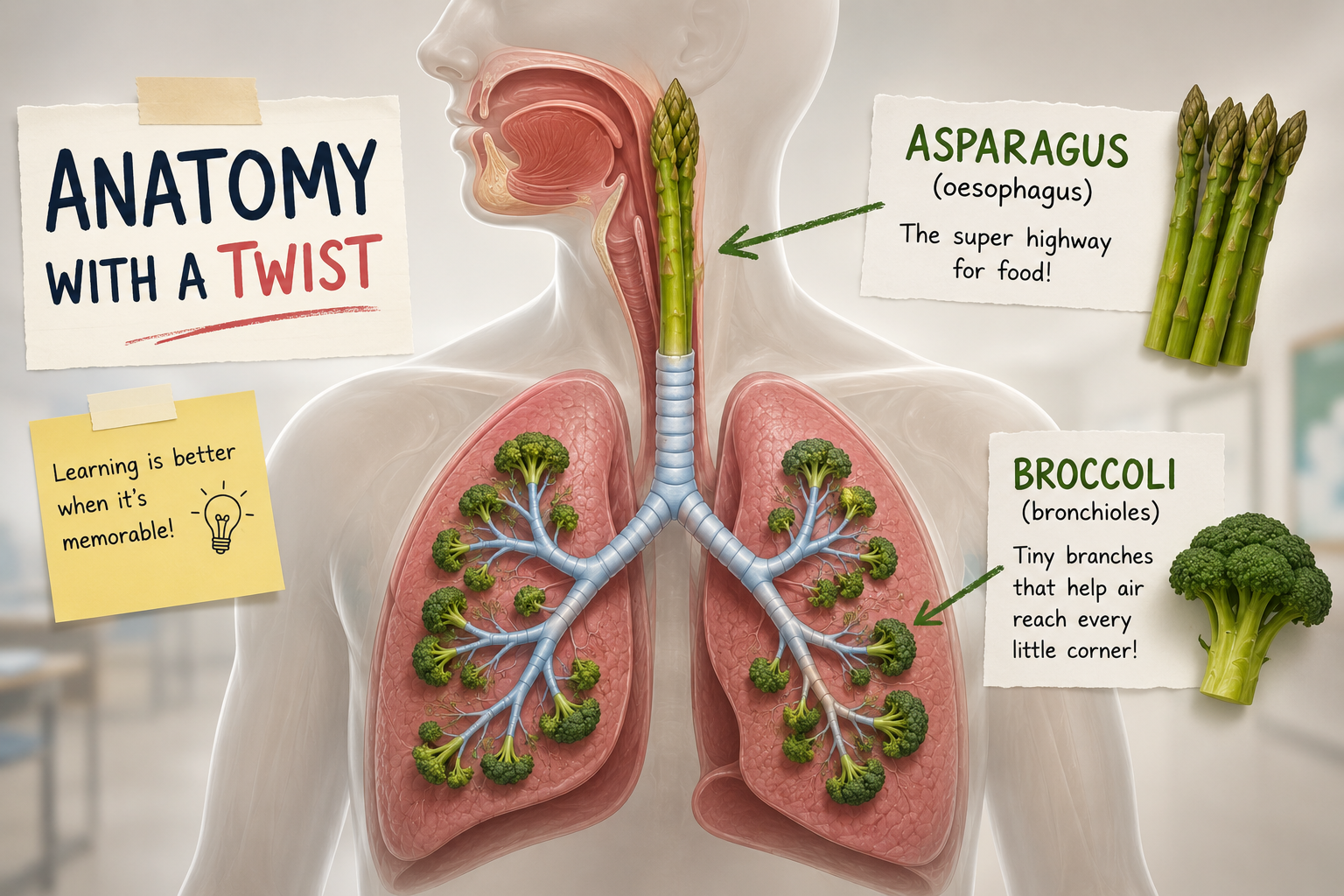
A student labelled the oesophagus as "asparagus" and the bronchioles as "broccoli". Funny? Absolutely. But the story reveals something important about the difference between recall and genuine understanding.
.jpg)
After nearly twenty years in the classroom, I've become fascinated by a simple question: why do some students develop deep understanding while others struggle despite working hard? Looking back at a career's worth of books on teaching, cognitive science and misconceptions, I realised they were all helping me explore the same challenge.

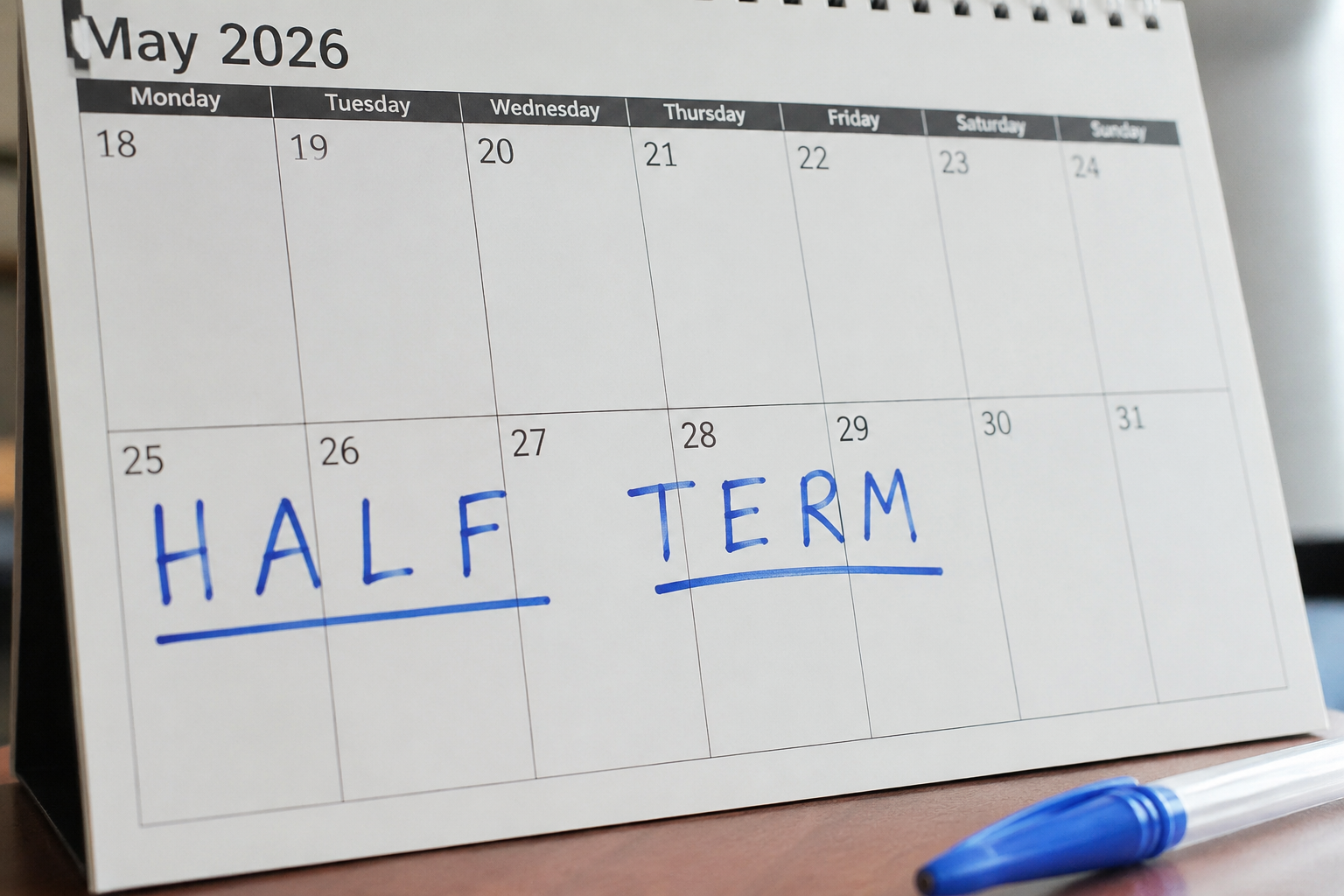
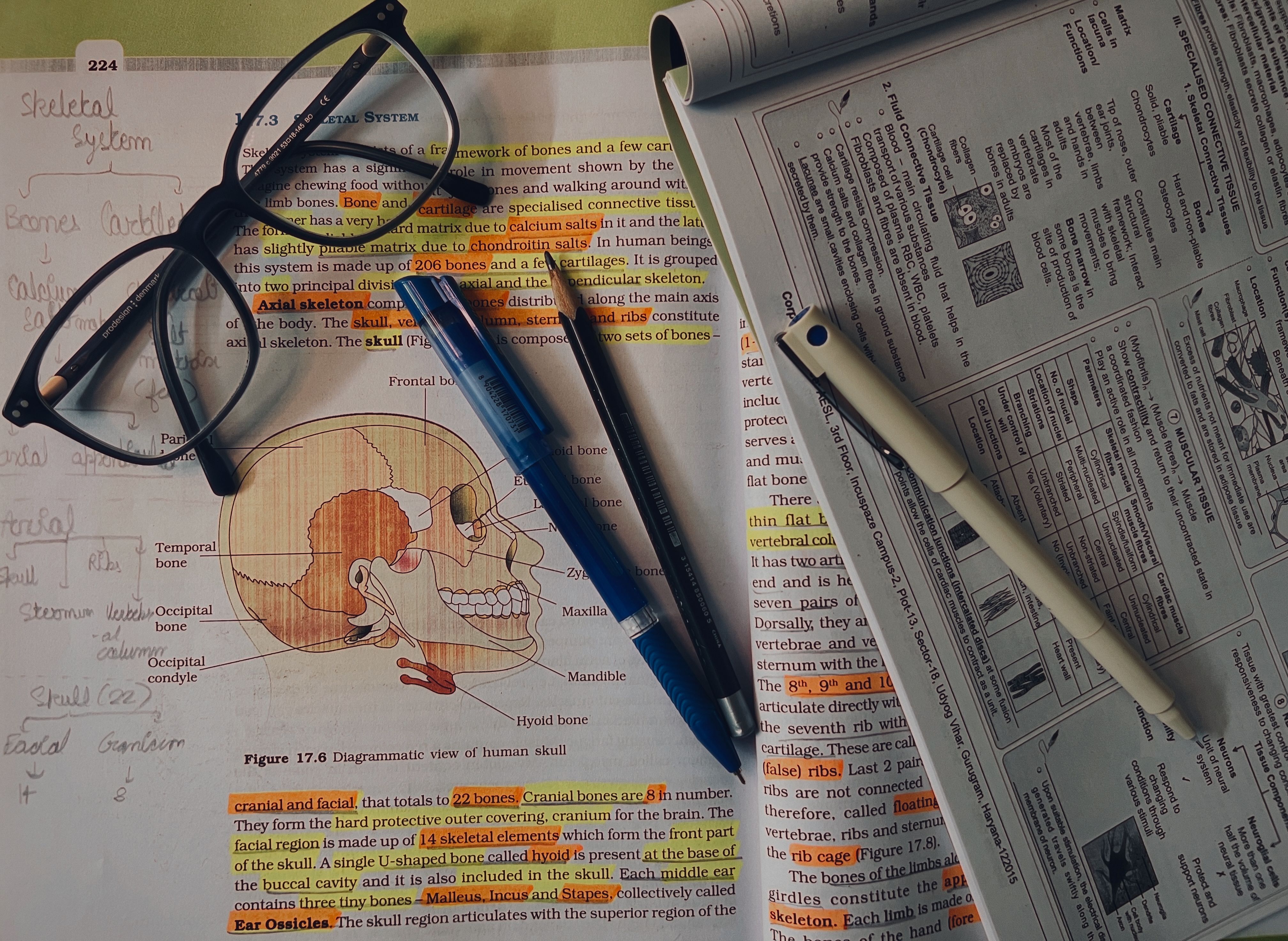
As students head into half term, the instinct is often to cram harder. But cognitive science suggests a different approach works far better. From dual coding and retrieval practice to short bursts of deep thinking and connected knowledge mapping, this guide explores how students can strengthen understanding, memory and confidence in the final weeks before exams - without burning out.

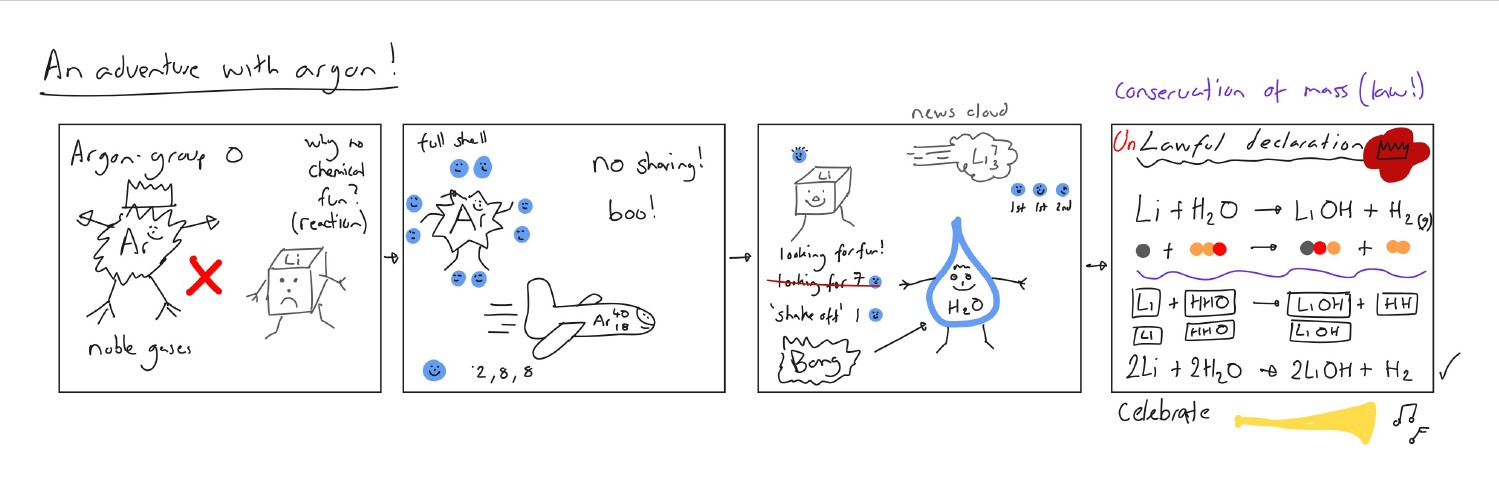
A simple hand-drawn comic about Argon and Lithium turned a chemistry tutoring session into an engaging learning experience. This article explores how drawing, storytelling, and dual coding theory can help students better understand and retain complex concepts.

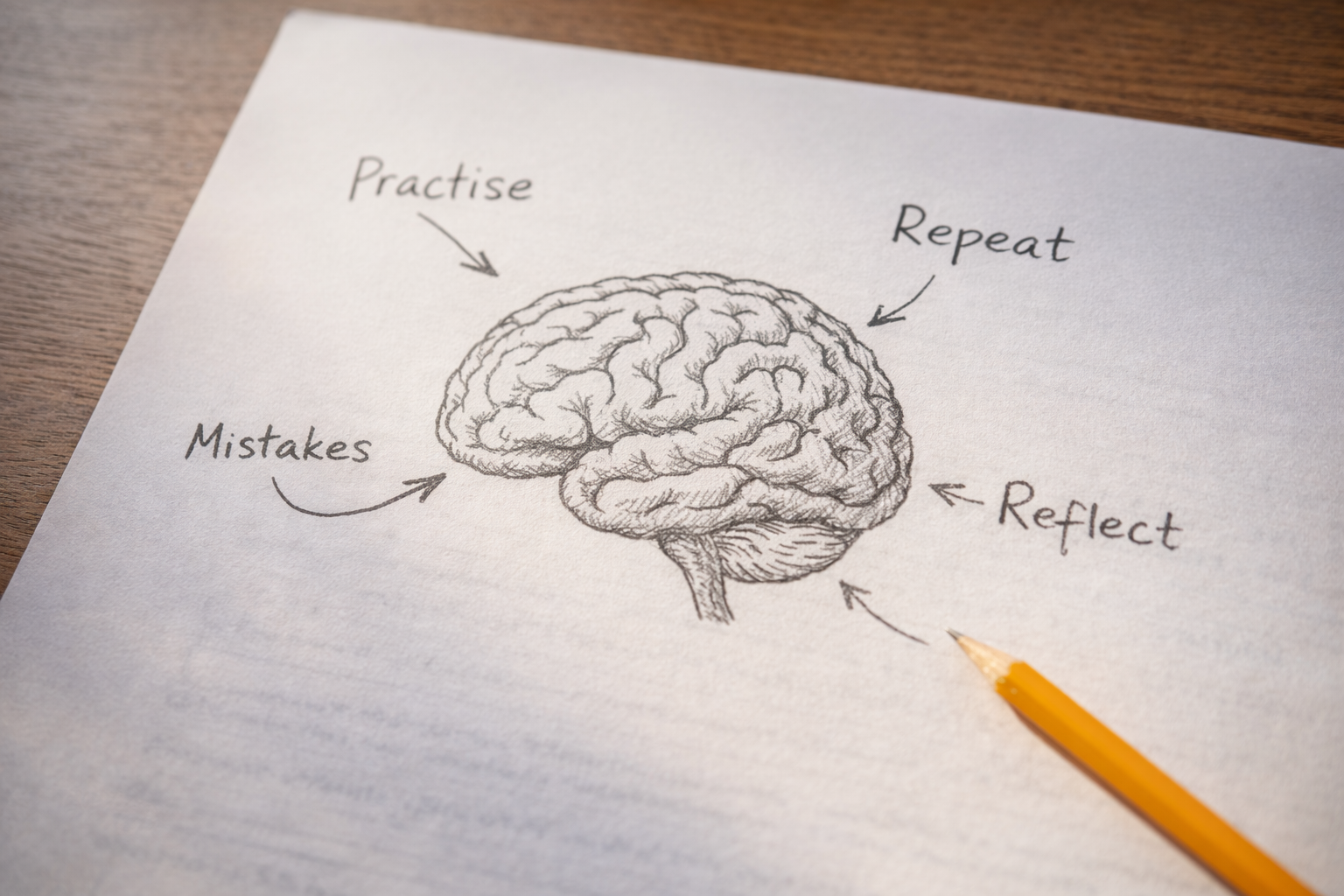
Learning is not exposure-it is memory. This article explores why thinking, retrieval and spacing are essential for building lasting understanding in education.

Students are not “visual learners” or “not science people.” Modern neuroscience shows the brain is flexible and constantly changing. Gareth Moores explains the learning science every student should understand.

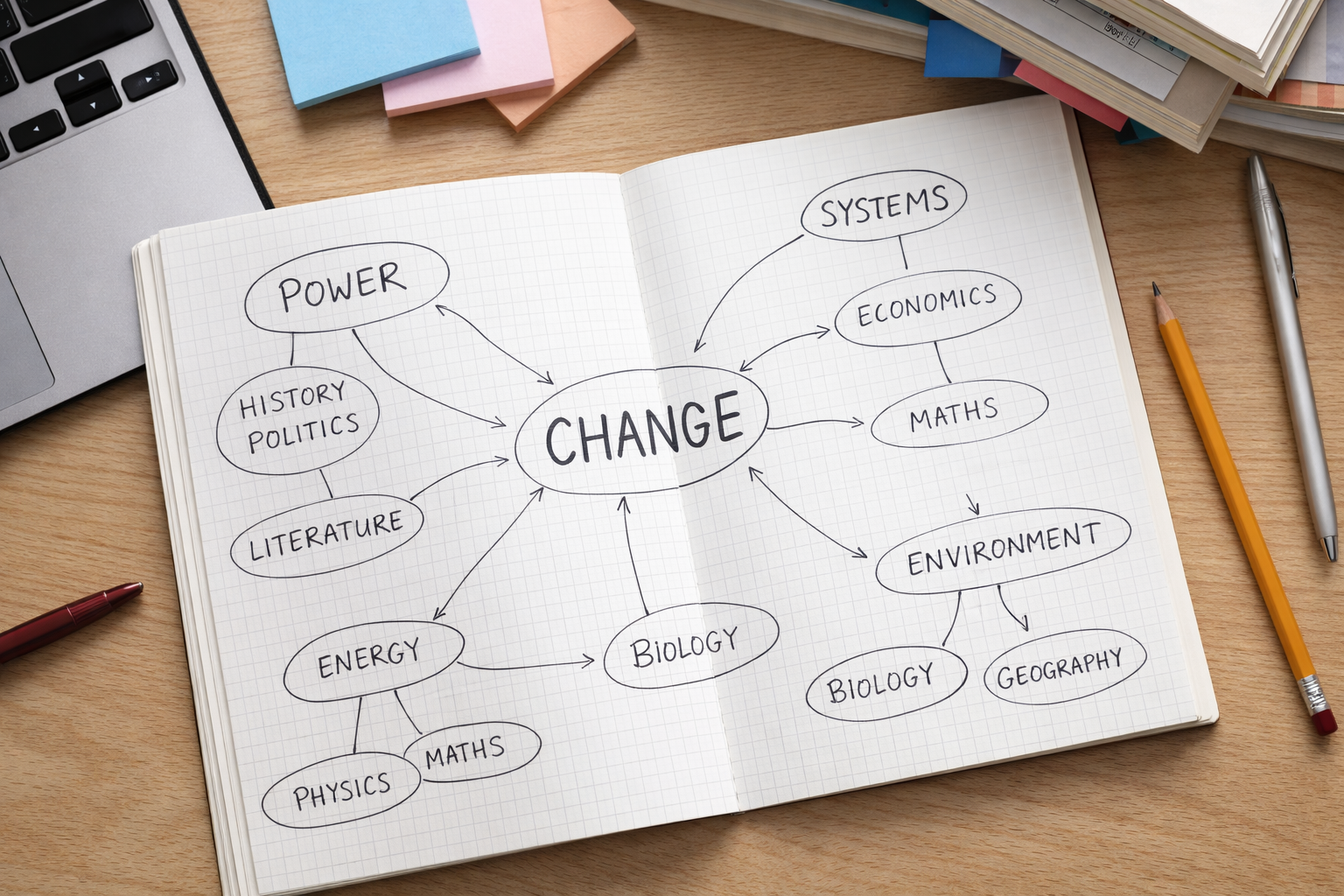
In an age of AI and instant answers, understanding matters more than ever. When students learn how ideas connect, they think more clearly, remember more effectively, and approach new challenges with confidence. This article explores why structured, connected knowledge is essential for deep learning and long-term success.
.png)
Thinking depends on what you already know. When pupils have secure knowledge stored in long-term memory, their working memory is freed to reason, solve problems, and make connections. This is why knowing more stuff doesn’t limit thinking - it enables it.

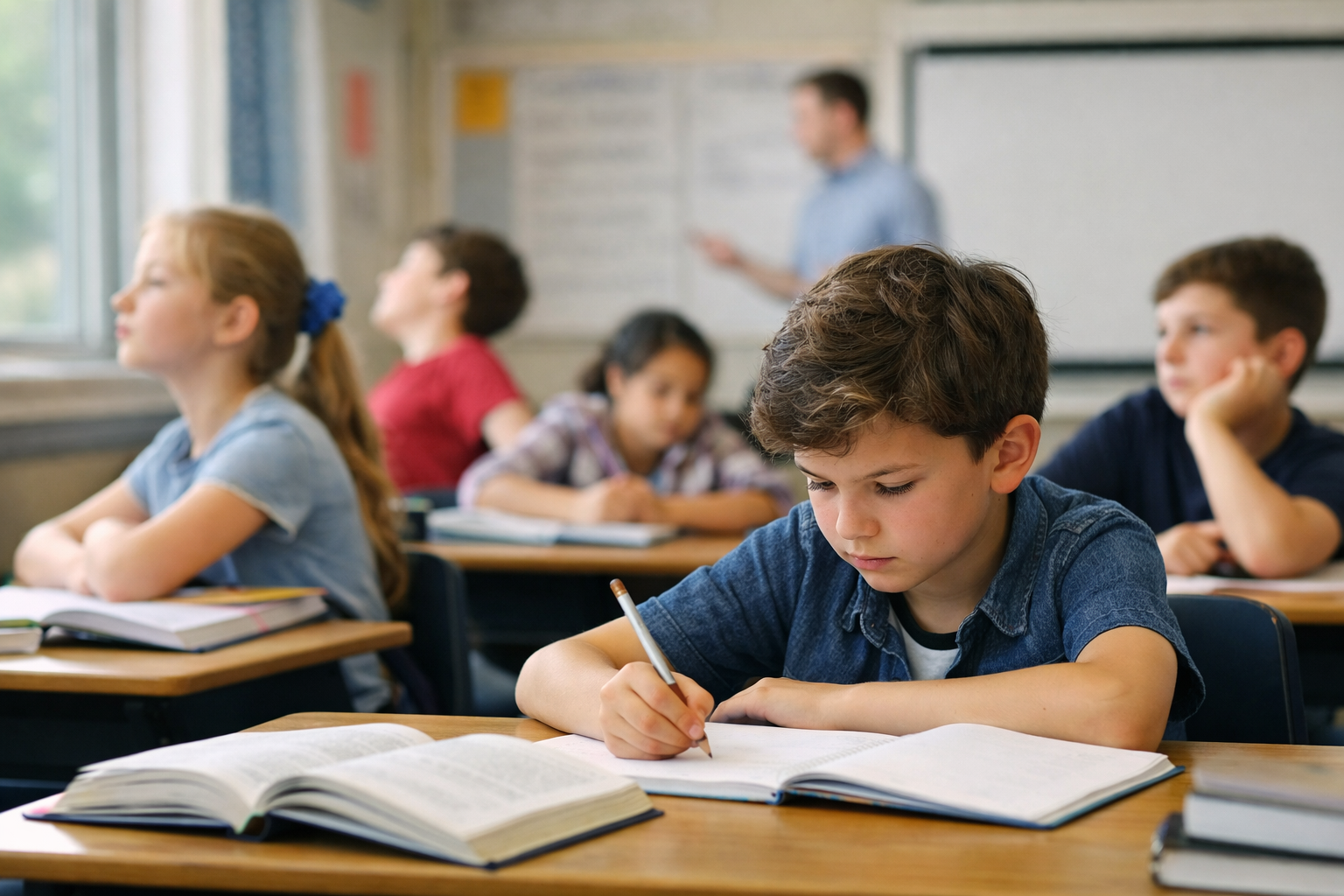
Are pupils really paying attention - or just looking like they are? Drawing on classroom experience and cognitive science, Julian Dance explores why attention is the gateway to memory, how learning overload happens in seconds, and what actually helps knowledge stick.